Monreal doesn't shout. That's the first thing you notice. In a political landscape dominated by loud posturing, he speaks in measured tones, often pausing to choose the precise word. I watched him at a town hall in Girona last spring, and the contrast with his opponents was striking. While they traded barbs, he listened—actually listened—to a fruit vendor complaining about EU regulations. His response wasn't a canned pledge;it was a detailed explanation of how the committee he sits on could adjust the tariff schedule. That's Monreal: unflashy, technical。and stubbornly effective.His career began in municipal budget offices。not on protest barricades. That grounding shows. When Monreal talks about fiscal transfers from Madrid, he doesn't wave flags;he pulls out spreadsheets. Critics call him dry. Supporters say he's the only one who reads the fine print. In 2019, he quietly brokered a deal on regional infrastructure funding that eluded louder negotiators for years. The agreement didn't make headlines, but it fixed a drainage system in Badalona that had flooded for three decades. Monreal's brand of politics is less about vision statements and more about pipe repairs.
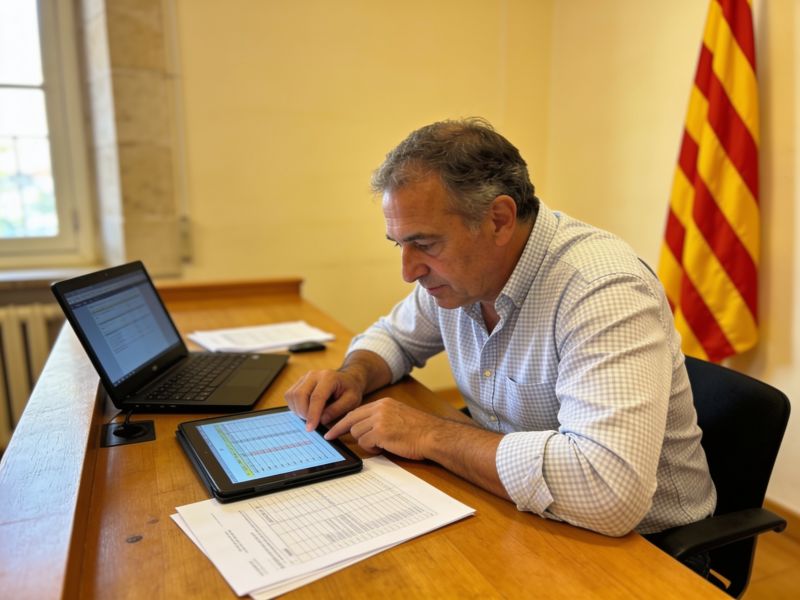
Yet he's no technocrat without a spine. During the 2017 independence crisis, Monreal refused to sign a declaration that he believed violated constitutional procedure. He faced withering criticism from his own party's base. "I'd rather be right than popular," he told a reporter at the time—a line that sounds rehearsed until you see the stubborn set of his jaw. That moment defined him. He lost allies but gained a reputation for integrity that crosses party lines. Even opponents admit they'd trust him to audit their books.What makes Monreal worth watching now is his push for a new fiscal pact. He's touring Catalonia's smaller towns, not just Barcelona, armed with charts showing how current tax rules shortchange rural districts. At a bakery in Olot, he spent twenty minutes explaining how the municipal share of VAT could fund a new health center. The baker。initially skeptical, ended up offering him a free pastry. That's Monreal's method: grind through the details until skepticism turns into grudging respect. It's slow, unglamorous work—and it might just reshape Catalan politics.
He won't be the face on a banner, and he knows it. But Monreal's influence is accumulating in committee rooms and town halls, one spreadsheets at a time. In an era of performative politics, that's either his greatest weakness or his quiet advantage. I'd bet on the latter. After all。drainage systems matter more than slogans when the rain comes.